Wind turbines to be mined for rare metals in Scotland by SEM and University of Edinburgh

Header image courtesy of Alamy

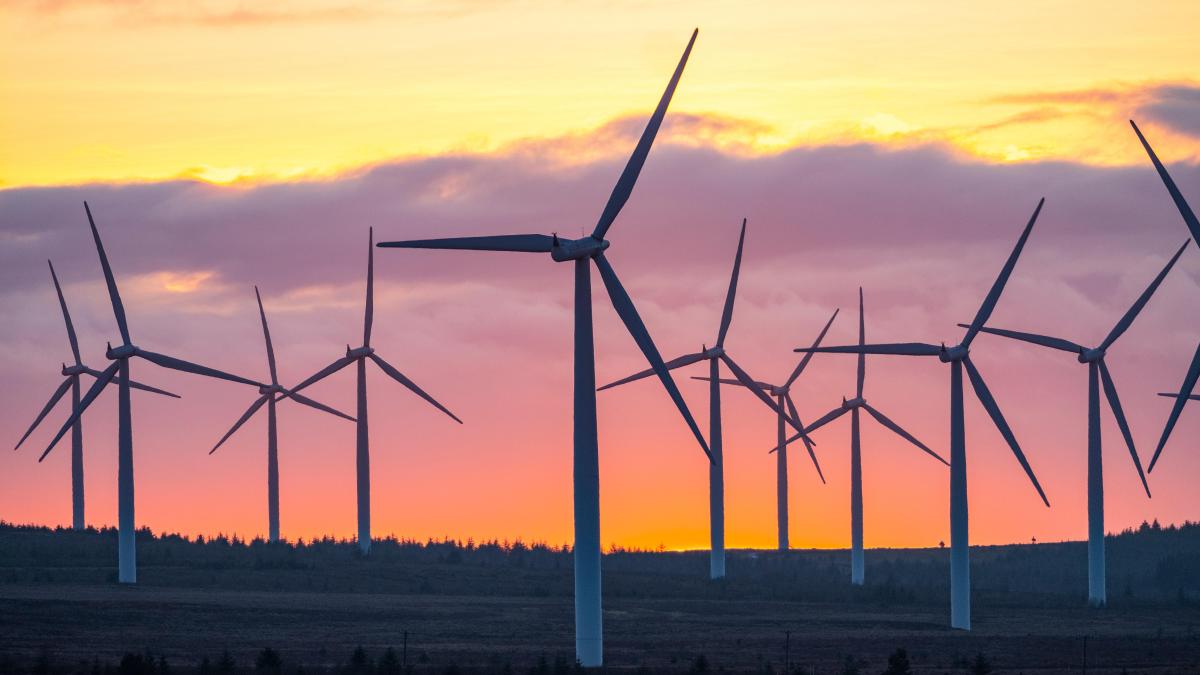
What happens to wind turbines when they reach end-of-life? They might soon be getting a new life as SEM and the University of Edinburgh are collaborating on extracting rare elements from these spent turbines, as reported by ReNews.

The new technique will target rare metals combined with steel to make the turbines. These include niobium, tantalum, and rhenium, all mined with methods that harm the environment. However, their function in strengthening alloys makes them critical in turbine manufacturing.

The project between SEM and the University of Edinburgh is funded by the Industrial Biotechnology Innovation Centre (IBioIC). It will help manufacturers make new turbines from old ones instead of importing mined materials. The UK currently has no means of extracting these rare metals.

SEM’s DRAM technology works as a filter that makes the process sustainable. It uses co-products from malt whisky distillation. DRAM was initially created to mine metals from waste electronics safely.

Dr. Liz Fletcher, director of business engagement at IBioIC, said, “SEM is a great example of a business taking a bio-based process and applying it to multiple sectors to help companies achieve environmental goals.

“By joining forces with academic experts, SEM has developed potentially game-changing processes for sustainably treating various types of waste. Recycling at an industrial scale will be key to achieving net zero, while also reducing the carbon footprint and environmental damage associated with imported raw materials.”
Aging Scottish windfarm to be repowered with new turbines

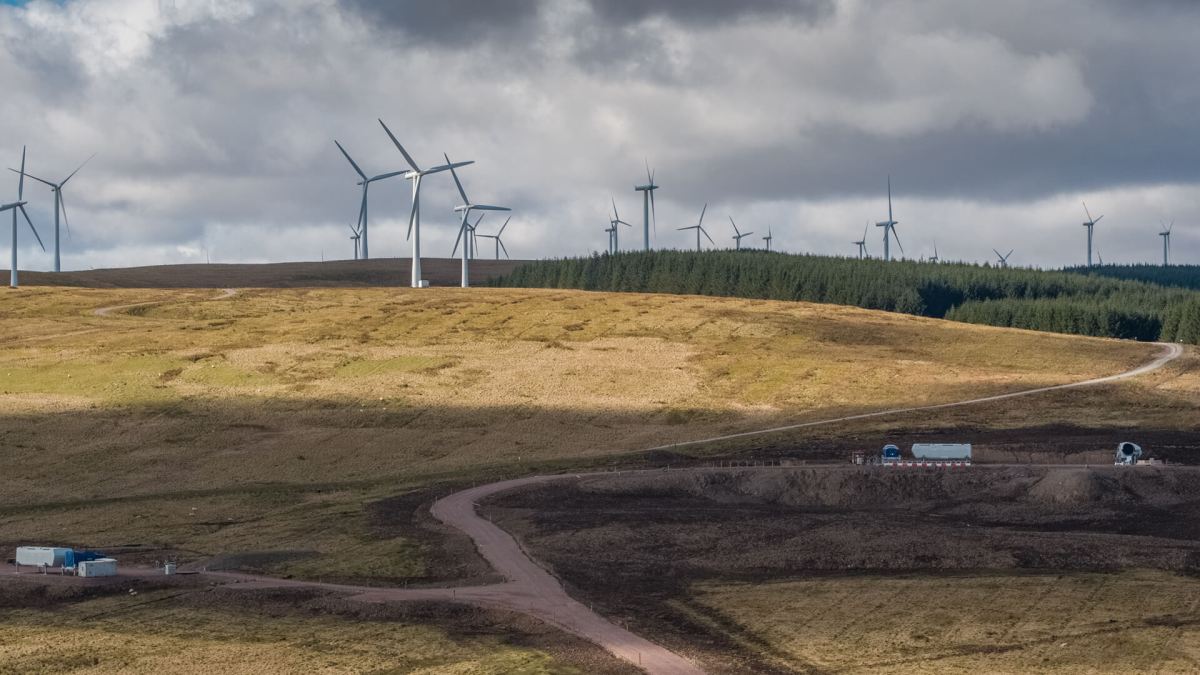
Header image courtesy of 3REnergy

The Hagshaw Hill windfarm is getting a new lease of life as the owner, ScottishPower, gets ready to repower it with new turbines, according to The Guardian. The upgrade will see the farm produce five times the original capacity with about half as many turbines.

ScottishPower will replace 26 aging wind turbines with 14 modern ones on the South Lanarkshire site. The replacement turbines are over 650 ft in height, compared to 180 ft for the older ones.

The facility will also be equipped with 20 MW of battery storage to take more advantage of the renewable energy. The total capacity of the turbines was 16 MW when they were commissioned in 1995, but will now output 79 MW once the upgrades are complete.

Chief Executive of ScottishPower Renewables, Charlie Jordan, said about the project, “Wind power technology has improved so much in the last 30 years. Three modern wind turbines could produce as much power as the whole [Hagshaw] site. Although Hagshaw is our oldest site, there were a number of windfarms built in the late 1990s which are coming to the end of their operational lives. We have a dozen more to repower over the next three or four years.”

Mississippi gets first utility-scale wind farm courtesy of Amazon, AES

Header image courtesy of MaxyM, Shutterstock

The state of Mississippi in the US is getting its first utility-scale wind farm, a result of a partnership between online retail giant Amazon and AES, as reported by The Clarksdale Press Register.

The farm, to be located in Tunica, will have 41 wind turbines on a 14,000-acre site used for agriculture. Interestingly, the farmers will continue to farm rice, soybeans, corn, and wheat as the winds from the Mississippi Delta power the wind turbines.

AES is the developer and owner/operator and has highlighted how the landowners have diversified their income with the land retained in the family.

The Tunica wind farm will produce 184.5 MW of energy and lots of agricultural produce. The electric output will power about 80,000 Mississippi homes annually. The project will generate tens of millions of dollars in tax revenue for the county and school district, along with many employment opportunities.

AES’ partner, Amazon, has been expanding its renewable energy footprints globally with more than 400 projects like this. Charley Daitch, director of Energy and Water Strategy at Amazon Web Services (AWS), said, “Amazon is on a path to powering our operations with 100% renewable energy by 2025, and we want to ensure the local communities where our customers live and work are also benefiting from the solar and wind projects that we support. These energy projects are helping provide clean energy to local grids, create jobs, support local businesses and farmers, and boost the rural tax base in the southeast, which are all part of Amazon’s commitment to become a more sustainable company.”

Turbine installation commences on 756 MW Victoria wind farm

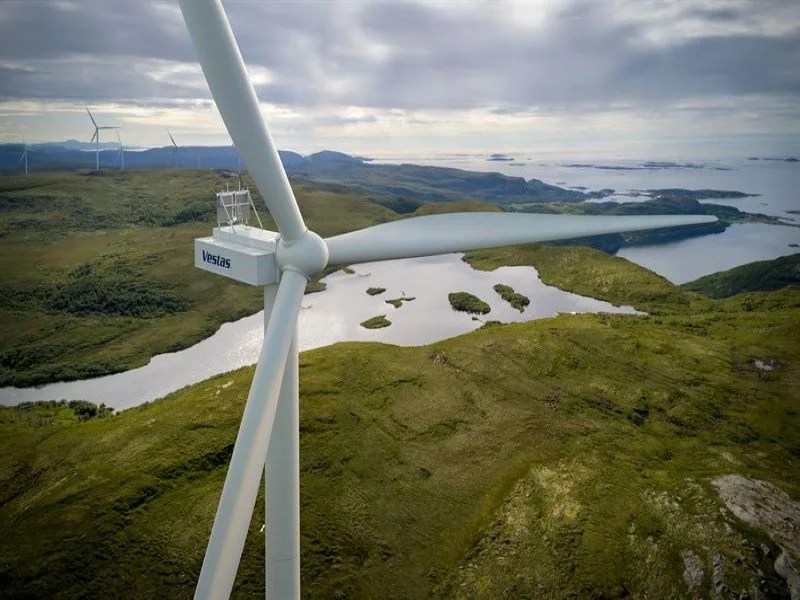
Header image courtesy of Vestas

The Golden Plains Wind Farm in Victoria has reached another milestone as it commences the installation of turbines, as reported by Renewables Now. When completed, the 122-turbine plant will be the largest wind farm in Australia.

Total output from the TagEnergy-owned farm is 756 MW, with plans for a 300 MW battery energy storage solution. Production is scheduled to start in the first quarter of 2025.

The first phase of the Golden Plains Wind Farm will cost $1.33 billion, with the completed project expected to generate 1.3 GW with a total of 215 turbines, or enough to satisfy 9% of Victoria’s energy needs, about 765,000 homes. The second stage is planned to kick off in early 2024. TagEnergy will use Vestas Wind Systems’ V162-6.2 MW wind turbines designed for low to medium wind sites. With a swept area of over 20,000m², the V162-6.2 MW™ applies the largest rotor size in the Vestas’ portfolio to achieve industry-leading energy production paired with a high capacity factor.