
Header image courtesy of Reuters
Greece is a country with ambitions. According to the Prime Minister, the European country wants to provide energy security to other countries on the continent by expanding its clean energy capacity, as reported by Bloomberg.
PM Kyriakos Mitsotakis revealed this ambition on the sidelines of the ongoing COP28 in Dubai. He said Greece “can significantly expand our green production capacity. We’re going to be a provider of energy security for many European countries.
“We want to be an exporter of green power in the medium to long term. We want to make sure that we can cover the needs of our neighbouring countries in terms of offering them access to natural gas.”
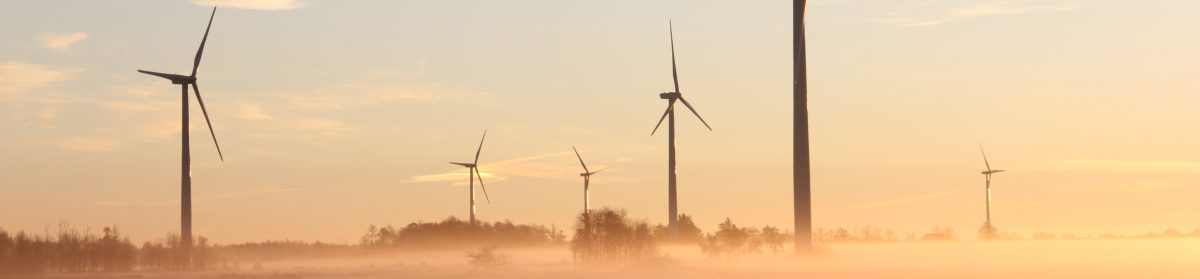
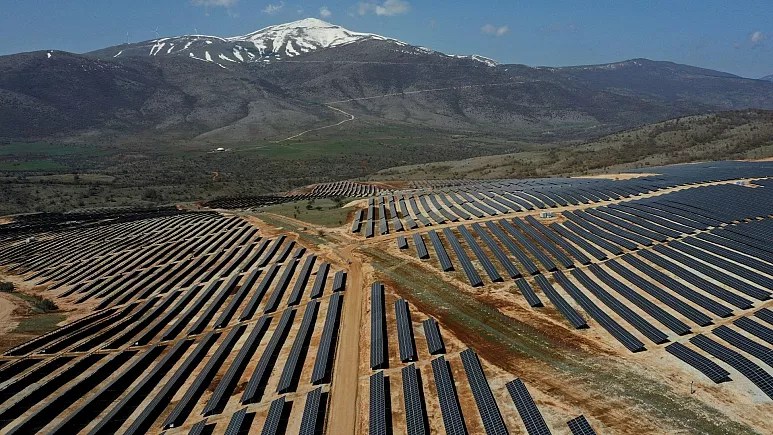
Greece produced 7,047 GWh of solar energy in 2022, 400 percent more than a decade ago, according to BNEF. The country also achieved meeting 100 percent of its energy demand by renewable energy for hours on some days. More renewable projects will come online, including offshore wind farms in the Aegean Sea, set to supply Athens with more than 1.9 GW by the end of the decade.
Greece already exports energy to Bulgaria and Moldova. It is constructing gas pipelines to Europe.
 Renewable Brief