

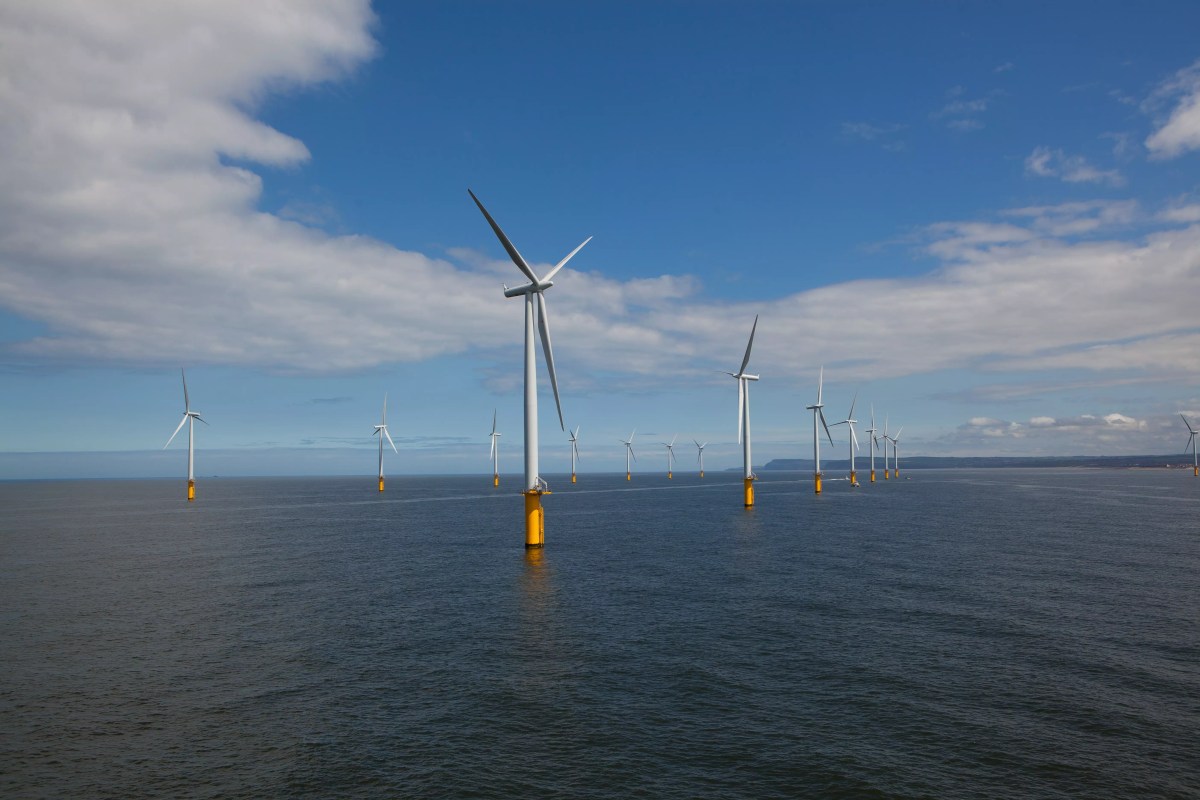
Offshore renewable energy sources are increasingly vital in the global energy transition. However, harnessing their potential can require efficient energy storage solutions to address intermittent power generation. To fill this need, battery tankers are emerging as an innovation. This article explores the significance of battery tankers and their transformative impact on offshore renewable energy.
Why is energy storage needed in offshore renewable energy?
Offshore wind and solar farms are often located in remote areas with limited grid connectivity. These renewable energy installations face challenges related to intermittent power generation, as energy production fluctuates with weather conditions. Energy storage systems are crucial for managing this intermittency and ensuring a consistent power supply. Battery tankers provide a scalable and flexible storage solution.
How do battery tankers work?
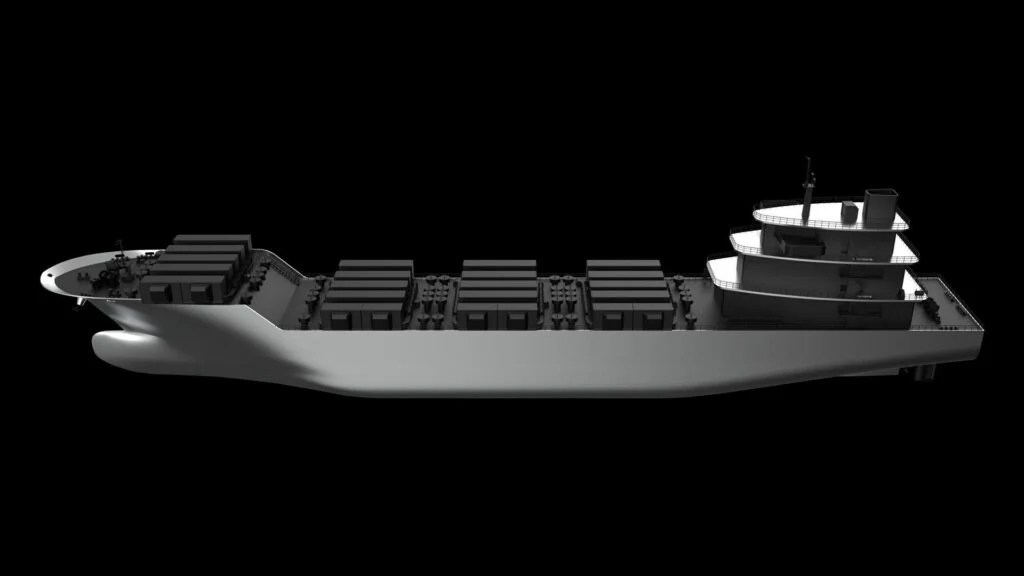
Battery tankers are essentially massive floating energy storage units. They use advanced battery technologies to store surplus energy from offshore wind or solar farms. These tankers can charge when renewable energy production exceeds demand. They can then discharge the stored energy during periods of low production or high electricity consumption. The battery tankers act as a buffer, optimizing the power supply and ensuring a stable grid connection.
What are the advantages of battery tankers for offshore renewable energy?
Grid stability and reliability
Battery tankers enhance the stability and reliability of offshore renewable energy systems by providing immediate response and balancing services. They can inject stored energy into the grid in response to a sudden wind or solar generation drop, preventing power disruptions.
Intermittency mitigation
Battery tankers mitigate the intermittency issues associated with offshore renewable energy by storing excess energy during peak production periods. This allows for more efficient use of available resources. It also ensures a steady electricity supply, even during low renewable energy generation periods.
Enhanced grid integration
Battery tankers facilitate the integration of offshore wind and solar farms into the existing power grid infrastructure. They provide grid operators with greater control over power flow. This enables efficient utilization of renewable energy resources and reduces the need for costly grid upgrades. Decommissioned thermal power plants near ports can get a new lease of life by becoming charge/discharge points.
Scalability and flexibility
Battery tankers offer scalability, allowing for the addition of multiple units to accommodate the growing capacity of offshore renewable energy installations. They can be easily deployed and relocated, offering flexibility to optimize energy storage capacity based on specific project requirements.
Future outlook and challenges of battery tankers
The use of battery tankers for offshore renewable energy storage is still in its early stages, but the potential is immense. As the technology evolves, the cost-effectiveness and efficiency of battery tankers are expected to improve further.
Japanese startup PowerX has introduced a battery tanker due for completion in 2025. The company’s proof of concept tanker will be equipped with 96 containerized marine batteries with a total capacity of 241 MWh. The batteries will use lithium iron phosphate cells with over 6,000 life cycles and use dedicated gas emission control and fire suppression mechanisms. PowerX has scheduled sea trials for 2026.
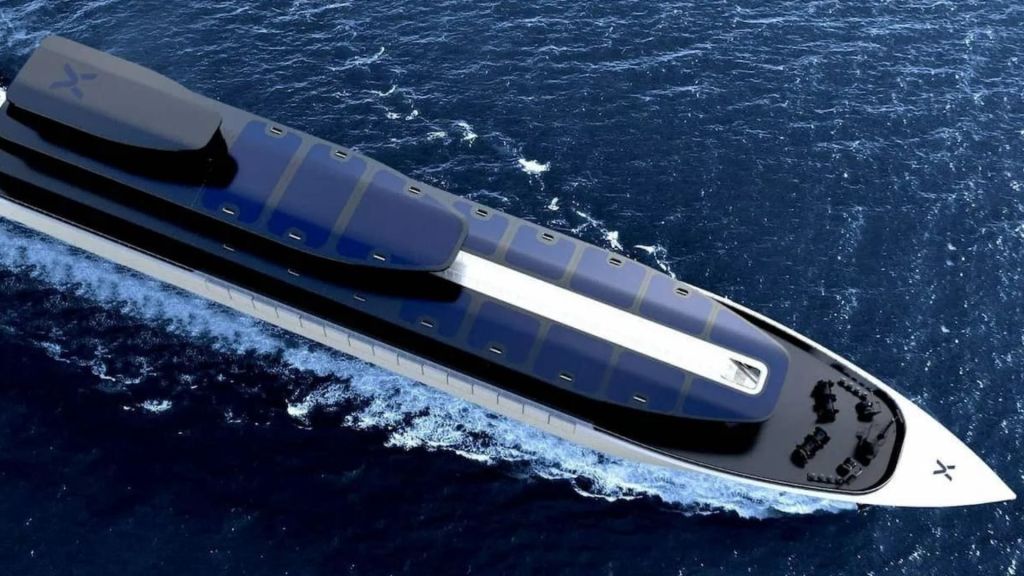
However, challenges such as safety, battery degradation, environmental impacts, and regulatory frameworks need to be addressed to ensure this solution’s widespread adoption and sustainability.
Conclusion
Battery tankers represent a significant breakthrough in the field of offshore renewable energy. These floating energy storage systems can revolutionize the industry by addressing the intermittency challenges of offshore wind and solar farms. With their ability to provide stability, reliability, and grid integration, battery tankers offer a promising solution for powering the future of offshore renewable energy.
 Renewable Brief