Zimplats to build 185 MW solar plants in Zimbabwe

A Zimplats mine: Courtesy of Reuters

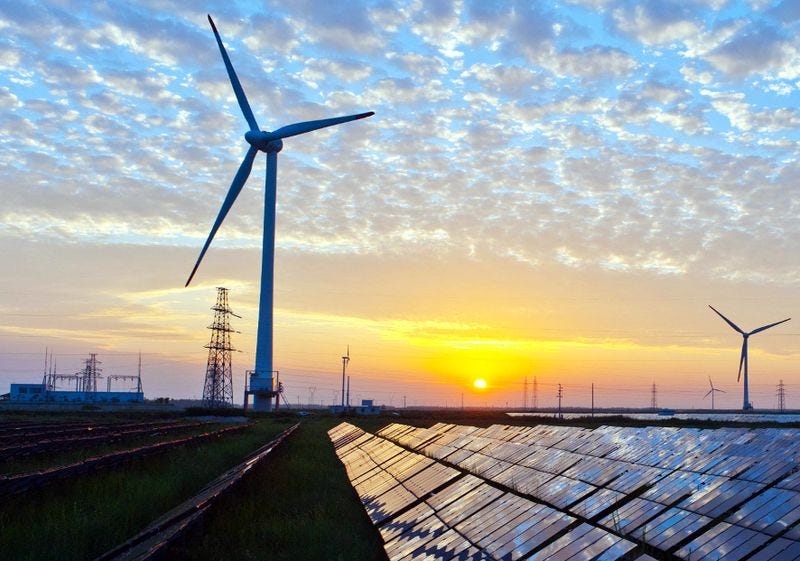
Zimbabwe will soon be hosting a solar power project, courtesy of Zimplats, the Zimbabwean subsidiary of Impala Platinum, Implats. The installation will generate 185 MW.

According to the Zimbabwe Energy Regulatory Authority, Zimplats is siting the project in two locations; at Ngezi, southwest of Harare and Selous. The former will produce 105 MW, while output from the former will be 80 MW.

At Ngezi, the solar energy will be used to power mines and concentrators. The Selous installation will run a smelter and a concentrator. Zimplats will no longer rely solely on power from the Hidroelectrica de Cahora Bassa (HCB).

The country seriously needs more power supply as it has been suffering from an acute energy shortage for years. All sectors of its economy are affected, but Zimbabwe feels the effect on the mining sector most as it is its most significant source of foreign exchange.

Other mining companies are following the lead of Zimplats with plans for their solar energy projects. Zimbabwe hopes renewable enable projects will add 100 MW to its energy mix before the end of the year.

Zimplats, in turn, is taking a leaf out of the book of platinum mining companies in South Africa. They are also trying to escape power supply problems which is a handicap to their operations, by setting up solar power plants. They often have to reduce production due to power cuts and rationing.

However, some of them also have the nobler goal of reducing the carbon emission they produce. For example, Sibanye-Stillwater, Implats, and Anglo American Platinum are building more solar and wind plants to cut their dependence on Eskom, which supplies power produced from coal-burning plants.

An added advantage is that the mining companies can better attract clients that insist on clean energy in their raw materials supply chain.

Sibanye will attach a 50 MW solar farm to its gold mines, while its platinum mines in Rustenburg will get 175 MW from another renewable source. A 250 MW wind farm will supplement both.

Anglo Platinum is setting up a renewable energy project of 100 MW in Mogalakwena, which will supply a quarter of its palladium mine energy needs.

Got any tip or news you want me to cover? Feel free to reach me at davidsanmi@outlook.com
First electric buses delivered in South Africa

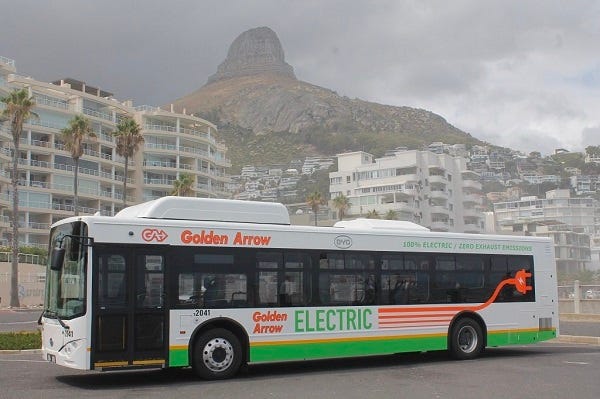
BYD buses delivered in South Africa

Golden Arrow Bus Service (GABS) in South Africa has taken delivery of the first set of electric buses in the country and the whole of southern Africa. This came after the transport company concluded several months of trials.

GAB, the largest in the country’s transport sector, received the two BYD electric buses. They will run in Cape Town, Western Cape province.

The buses can cover up to 320 km on a single charge, with a passenger capacity of 40. Other passenger-focused features like free WiFi and ramp access for wheelchair users.

GABS operates more than 1,100 buses but plans to gradually electrify all its buses. It will run the new electric buses during rush hour, between Retreat, the suburb, and Cape Town.

According to Gideon Neethling, an engineer with GABS, the aim of introducing electric buses is to help the problem of carbon emission:

“Introducing electric buses aims to respond to the national and provincial governments’ call for reducing carbon emissions. For the first few months, we tested the buses in a range of circumstances without passengers. The aim was to get to know exactly how these vehicles perform before incorporating them into our operations. Testing these vehicles has been a joy for everyone who is part of the project. Each time we carry out a new test or reach a new milestone, the level of excitement increases further.”

BYD had earlier supplied its electric buses to Mauritius and Egypt, at the opposite end of the continent. Hopefully, other African countries will follow the lead of these two pioneers in adopting greener mass mobility and help combat climate change due to carbon emission.

More than 300 electric BYD buses run in over 50 countries globally.

The government of South Africa is working to formulate a strategy that will help it transform the country into a manufacturer of advanced electric vehicles and automotive parts soon.

Electric Colony: Welcome Post

Hey reader, welcome to Electric Colony, the online space for everything renewable energy and electric vehicle!

If you are passionate about sustainable energy like me, this is where you should be. Stay tuned for the latest projects and policies on wind, solar, hydro, and other sources of green energy globally. Track countries moving closer to their zero-emissions targets.

Courtesy of Tesla

Electric Colony is your number one source for news about the EV industry. See the latest and upcoming models from EV startups like Tesla, Rivian, Lucid, Xpeng, NIO, etc., and the old vanguards like Ford, GM, Toyota, Nissan, Mercedes, Volkswagen, etc.

If you have any tips for me, kindly reach out to davidsanmi@outlook.com. Or drop your comments on the articles.

Together, we can make sustainable energy work for all.