Texas has been experiencing a recording breaking heatwave, and one of the most affected infrastructures is the electricity grid. However, renewable energy, particularly solar, has come to the rescue by helping the Lone Star State to maintain energy reliability, as The Guardian reports.
Texas has been groaning under the weight of a blanket of oppressive heat, with forecasters not seeing an end in sight. The soaring temperatures have made people seek respite indoors in the comfort of their air-conditioners. However, the artificially cooled air comes at a cost; energy demand is at record levels.
With a grid independent of the rest of the country to sidestep federal regulation, Texas can obtain little power from other states. This is a serious issue as several of the state’s old fossil-fueled power plants have failed during the spikes in demand.
However, Texas has avoided rolling blackouts in June, despite temperatures reaching three digits. According to energy analysts, this is thanks to solar power generated in the state. During the hot afternoons, solar has produced more than 15 percent of Texas’ energy supply.
The irony is not lost on most observers as the same sun responsible for the heat is producing the energy needed to cool spaces.
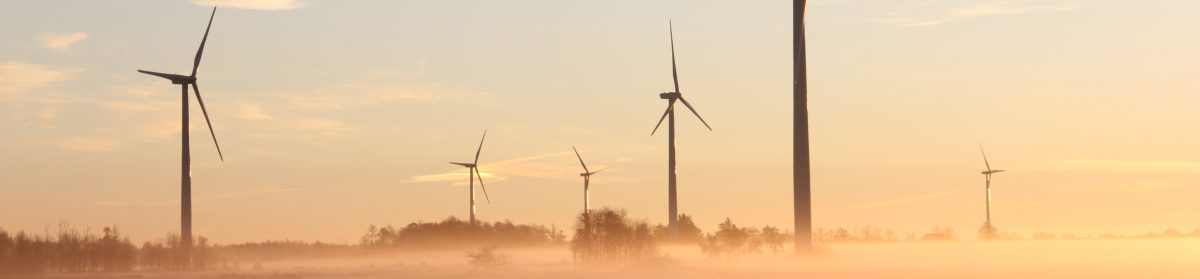
Header image courtesy of Dominic Chavez/World Bank
The need for renewable energy has intensified as the globe grapples with climate change. Rural areas are part of this push, even though they present unique challenges such as lower population densities and logistical complexities. However, these rural areas can achieve renewable energy goals given innovative financing models, which the rest of this article explores.
What is the current state of renewable energy financing in rural settings?
Renewable energy faces some challenges in rural areas. These include a lack of infrastructure, financing, skills, and public awareness. Renewable energy projects must also work around the lack of grid connectivity and higher per-unit energy costs.
Traditional financing models often do not address the unique needs of renewable energy in rural areas. As such, innovative financing is needed to overcome the barriers of high upfront costs, high perceived risks, and small project sizes, which could discourage traditional bankers and financiers. This is needed to make renewable energy accessible and affordable for rural communities.
Case studies of innovative financing models for rural renewable energy projects
Crowdfunding and community financing schemes
These types of financing allow individuals and communities to invest directly in local renewable projects. They can help solve the problems of lack of access to capital, high upfront costs, and long payback periods. They also increase local ownership and engagement.
An example of these financing models is the Ambition Lawrence Weston renewable energy project, which planned for a giant wind turbine that can power 3,850 homes and generate up to £400,000 per year in profit.
Green bonds
Green bonds are another means of financing rural renewable projects, with cumulative issuance crossing the US$1 trillion mark in 2020. Apart from providing access to capital, they also attract investors interested in supporting the transition to a low-carbon and climate-resilient economy.
Pay-as-you-go (PAYG)
PAYG models provide affordable and flexible payment options for renewable energy products, such as solar home systems and mini-grids. Customers can pay for their energy use in small instalments instead of bearing the burden of a high upfront payment.
Advantages of PAYG models in rural renewable projects include reducing the risk of default and theft for the energy providers, enhancing the quality and reliability of renewable energy services through customer support, maintenance, and warranty, and generating local employment and entrepreneurship opportunities by involving local agents and distributors.
Power purchase agreements
Power purchase agreements (PPAs) are contracts between a power generator and the party that wants to buy the power. The agreements cover an agreed period, with the power supply set to meet the requirements of the generator and the buyer.
PPAs can provide a means for farmers and landowners in rural areas to sell excess renewable energy generated on their properties. These have the potential to incentivize the adoption of renewable energy and provide a stable secondary income for rural dwellers.
Conclusion
Innovative financing models are crucial in driving the adoption of renewable energy in rural areas. Businesses, investors, and policymakers must tap into these innovations to extend the benefits of renewable energy to every corner of the planet.
Hungary has been approved to benefit from a €1.1 billion (US$1.2 billion) EU scheme for financing large-scale energy storage projects, as Energy Storage News reports.
The central European country targets not less than 800 MW/1,600 MWh of energy storage capacity with the funding. The installations will store renewable energy, making it easier to integrate into Hungary’s electricity system.
The fund will be accessible to companies in Hungary’s energy sector, except financial institutions. Developers can also use the fund to finance projects outside Hungary, provided they can transmit the power across the border into Hungary.
Hungary will disburse the fund to all kinds of battery technology. However, lithium-ion remains the most popular battery chemistry.
Successful developers will pass through a competitive process, which will be concluded before the end of 2025. The projects must be completed and brought online within three years of signing the contract.
The EU fund will come partly from Hungary’s Recovery and Resilience Facility share and a Modernization Fund. Other European countries that have accessed EU funding include Greece, Estonia, Croatia, Finland, and Slovenia.
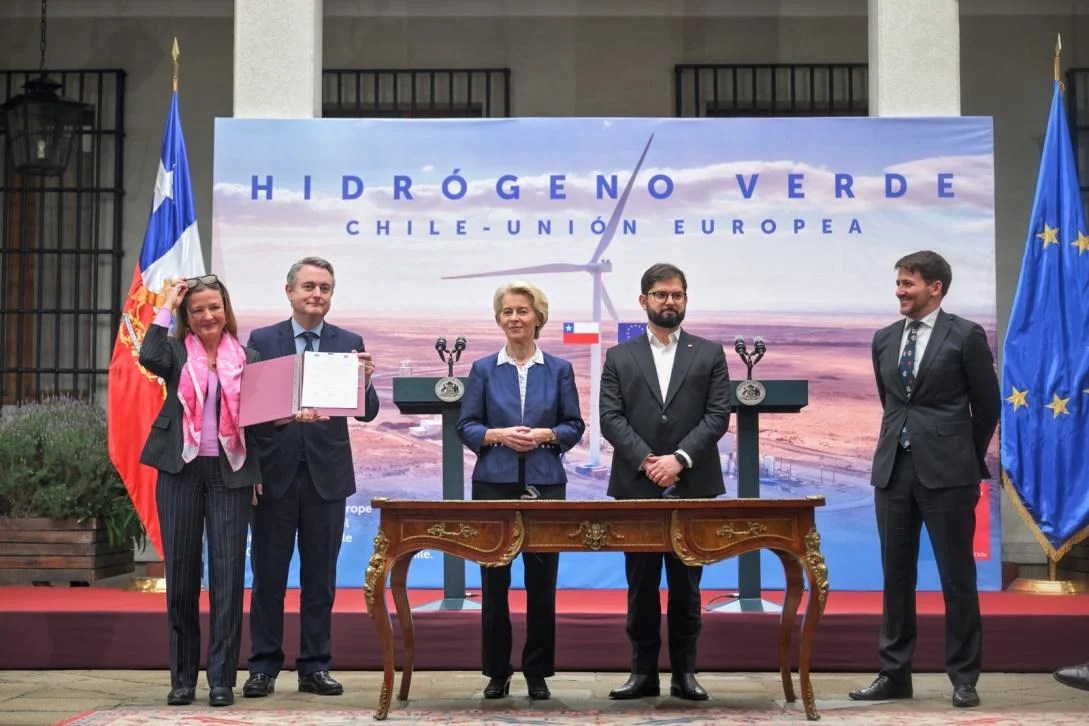
The EU and Chile have signed two new cooperation agreements on renewable hydrogen, as Offshore Energy reports. The new agreements will contribute to the “Team Europe Initiative for the Development of Renewable Hydrogen in Chile” program.
The two initiatives involve technical assistance from EU member states to help Chile develop its renewable hydrogen sector. Also planned is a fund that will support green energy projects.
The technical assistance part of the agreement will promote an enabling environment for Chile’s renewable energy economy. It will ensure capacity building, knowledge transfer, and other measures required to move green hydrogen forward in the South American country.
The EU has budgeted €4 million for the initiatives, supplemented by another €4 million from the German Federal Ministry of Economics and Climate Protection (BMWK).
Team Europe Renewable Hydrogen Fund in Chile is a second fund sponsored by the European Investment Bank (EIB) and the German Development Bank (KfW). It is derived from a €6.5 million grant from the EU’s Latin America and Caribbean Investment Facility (EU LACIF) and €200 million in loans. The loans are powered by the EIB and KfW). These funds will be administered by CORFO to support hydrogen production projects in Chile.
President of the EU, Ursula von der Leyen, said, “this is one of the most important projects that we can undertake together. This Renewable Hydrogen Fund, here in Chile, will support the development of this strategic industry. It will create good jobs in the country, and boost its renewable hydrogen exports to the world and, of course, also to its partners, such as the European Union”.
Offshore renewable energy sources are increasingly vital in the global energy transition. However, harnessing their potential can require efficient energy storage solutions to address intermittent power generation. To fill this need, battery tankers are emerging as an innovation. This article explores the significance of battery tankers and their transformative impact on offshore renewable energy.
Why is energy storage needed in offshore renewable energy?
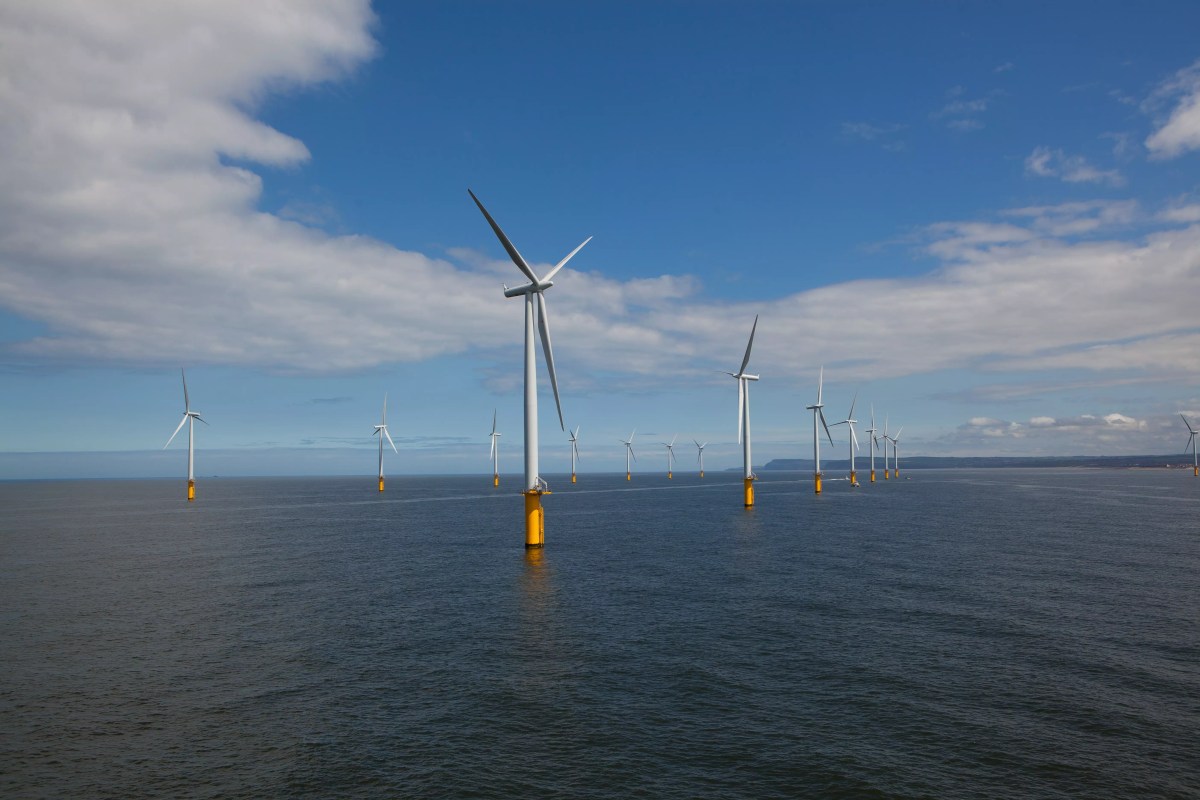
Offshore wind and solar farms are often located in remote areas with limited grid connectivity. These renewable energy installations face challenges related to intermittent power generation, as energy production fluctuates with weather conditions. Energy storage systems are crucial for managing this intermittency and ensuring a consistent power supply. Battery tankers provide a scalable and flexible storage solution.
How do battery tankers work?
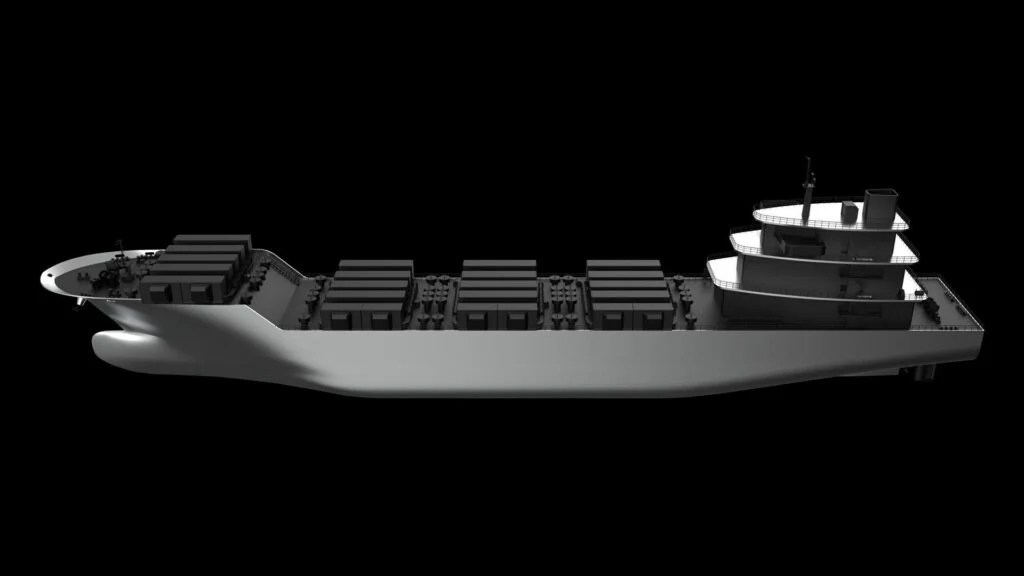
PowerX battery tanker courtesy of PowerX
Battery tankers are essentially massive floating energy storage units. They use advanced battery technologies to store surplus energy from offshore wind or solar farms. These tankers can charge when renewable energy production exceeds demand. They can then discharge the stored energy during periods of low production or high electricity consumption. The battery tankers act as a buffer, optimizing the power supply and ensuring a stable grid connection.
What are the advantages of battery tankers for offshore renewable energy?
Grid stability and reliability
Battery tankers enhance the stability and reliability of offshore renewable energy systems by providing immediate response and balancing services. They can inject stored energy into the grid in response to a sudden wind or solar generation drop, preventing power disruptions.
Intermittency mitigation
Battery tankers mitigate the intermittency issues associated with offshore renewable energy by storing excess energy during peak production periods. This allows for more efficient use of available resources. It also ensures a steady electricity supply, even during low renewable energy generation periods.
Enhanced grid integration
Battery tankers facilitate the integration of offshore wind and solar farms into the existing power grid infrastructure. They provide grid operators with greater control over power flow. This enables efficient utilization of renewable energy resources and reduces the need for costly grid upgrades. Decommissioned thermal power plants near ports can get a new lease of life by becoming charge/discharge points.
Scalability and flexibility
Battery tankers offer scalability, allowing for the addition of multiple units to accommodate the growing capacity of offshore renewable energy installations. They can be easily deployed and relocated, offering flexibility to optimize energy storage capacity based on specific project requirements.
Future outlook and challenges of battery tankers
The use of battery tankers for offshore renewable energy storage is still in its early stages, but the potential is immense. As the technology evolves, the cost-effectiveness and efficiency of battery tankers are expected to improve further.
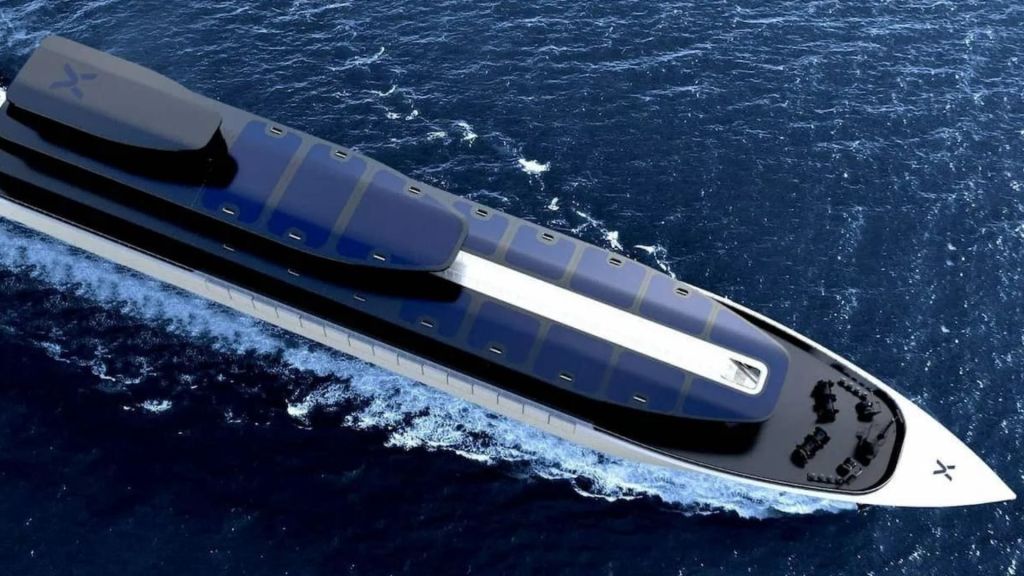
Japanese startup PowerX has introduced a battery tanker due for completion in 2025. The company’s proof of concept tanker will be equipped with 96 containerized marine batteries with a total capacity of 241 MWh. The batteries will use lithium iron phosphate cells with over 6,000 life cycles and use dedicated gas emission control and fire suppression mechanisms. PowerX has scheduled sea trials for 2026.
PowerX battery tanker courtesy of PowerX
However, challenges such as safety, battery degradation, environmental impacts, and regulatory frameworks need to be addressed to ensure this solution’s widespread adoption and sustainability.
Conclusion
Battery tankers represent a significant breakthrough in the field of offshore renewable energy. These floating energy storage systems can revolutionize the industry by addressing the intermittency challenges of offshore wind and solar farms. With their ability to provide stability, reliability, and grid integration, battery tankers offer a promising solution for powering the future of offshore renewable energy.
Geothermal energy has emerged as a highly promising contender in the quest for cleaner and more sustainable energy sources. However, its adoption faces environmental and social barriers that require effective mitigation strategies. This article examines where geothermal energy is feasible for exploitation and overcoming these barriers.
Where is Geothermal Energy Most Feasible?
Geothermal energy is most feasible in areas with a high geothermal gradient, meaning the temperature increases rapidly with depth in the Earth’s crust. This allows for accessing hot water or steam from relatively shallow wells or boreholes, reducing drilling costs and risks.
Geothermal energy is also more feasible in areas with a high permeability of the rocks, meaning that the fluid can flow easily through fractures or pores. This increases the efficiency of the geothermal system and the heat recovery rate.
Geothermal energy is also more feasible in areas with low seismic risk, meaning geothermal activity does not trigger or facilitate earthquakes or tremors. This reduces potential damage and disruption to the geothermal infrastructure, surrounding environment, and communities.
According to a report by the World Bank, some of the factors affecting the feasibility of geothermal energy include the geological setting, which determines the type, temperature, depth, and extent of the geothermal resources; the market conditions, which determine the demand, price, and competitiveness of geothermal energy; and environmental and social impact, which determines the sustainability and acceptability of geothermal energy.
Based on these factors, some of the regions where geothermal energy is most feasible are:
The Ring of Fire, a belt of volcanic and seismic activity surrounding the Pacific Ocean. It includes countries such as Indonesia, the Philippines, Japan, New Zealand, Mexico, the USA (California), Chile, and Peru. These countries have abundant geothermal resources due to their active volcanism and tectonism.
The East African Rift System, a zone of continental extension stretching from Ethiopia to Mozambique. It includes countries such as Kenya, Ethiopia, Tanzania, Uganda, and Rwanda. These countries have high geothermal potential due to their rifting and magmatism.
The European Geothermal Belt, a region of elevated heat flow that extends from Iceland to Turkey. It includes countries such as Iceland, France, Germany, Italy, and Turkey. These countries have diverse geothermal resources due to their volcanic activity or sedimentary basins.
Environmental Barriers and Solutions
Induced Seismicity
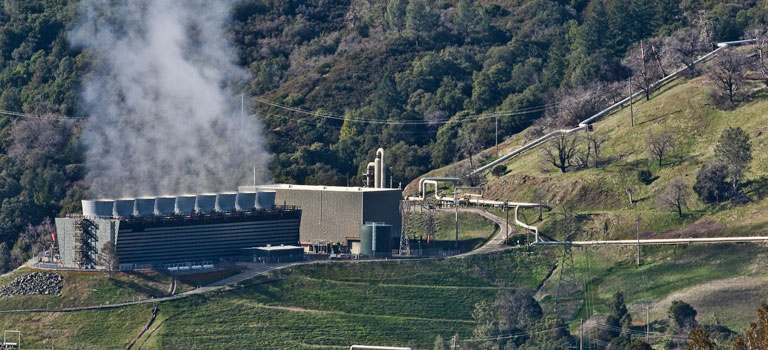
One primary concern associated with geothermal energy is induced seismicity; the earthquakes and tremors caused by human activities. For example, The Geysers geothermal field in California, USA, has experienced thousands of induced seismic events since the 1960s due to steam withdrawal and thermal contraction of the rocks.
The Geysers geothermal power plant, Cobb Creek, California, US, courtesy of CALPINE
Addressing this challenge requires adopting advanced seismic monitoring, careful site selection, and responsive management measures such as the traffic light system (TLS).
Water Consumption and Contamination
Geothermal projects often require large amounts of water and risk contamination from drilling fluids. Utilizing closed-loop systems and non-toxic drilling fluids can drastically minimize these environmental impacts. Developers can also use dry cooling systems, which use air instead of water, hybrid cooling systems, and enhanced geothermal systems (EGS) to reduce water consumption. However, the latter can require more drilling and increase the risk of small earthquakes.
Overcoming Social Hurdles
Public Acceptance
A significant social hurdle is the need for more public understanding of geothermal energy. Educating communities about the benefits of geothermal energy and involving them in project planning can foster acceptance and enthusiasm.
Land Use Disputes
Land use and property rights conflicts often arise due to the extensive land requirements of geothermal projects. Early engagement with stakeholders and implementing fair compensation mechanisms can help alleviate these disputes.
Growth Projections for Geothermal Energy
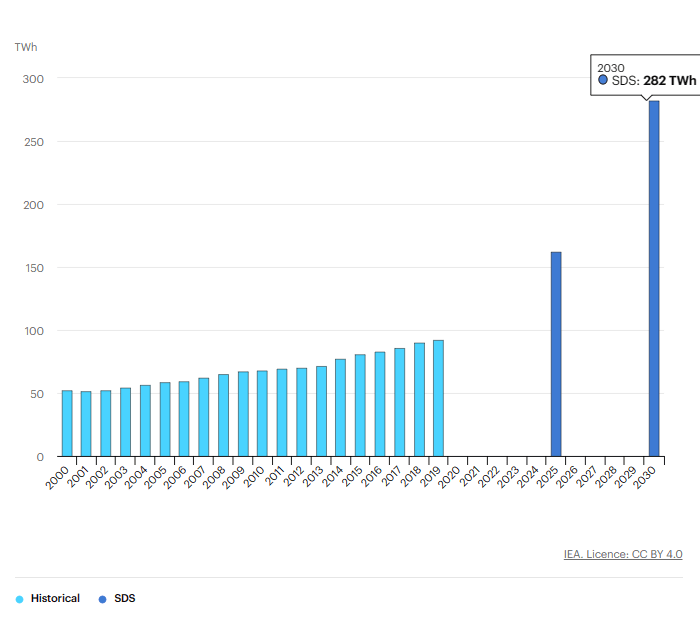
There are multiple sources of growth projections for geothermal energy. For example, the International Energy Agency (IEA) forecasts geothermal power generation of 282 TWh in 2030 in the Sustainable Development Scenario.
Overcoming the environmental and social barriers to geothermal energy requires concerted efforts, innovative solutions, and supportive policies. Despite these challenges, the potential of geothermal energy to contribute to the global energy mix is undeniable, especially in tectonically active regions. By looking at the strategies adopted by the major players and considering growth projections, it is evident that geothermal energy will play a significant role in the future of renewable energy. The opportunities it presents for a cleaner and more sustainable future are within reach, and the time to seize them is now.


 Renewable Brief