Vattenfall’s Vesterhav Nord offshore wind farm comes online

Header image courtesy of Vattenfall

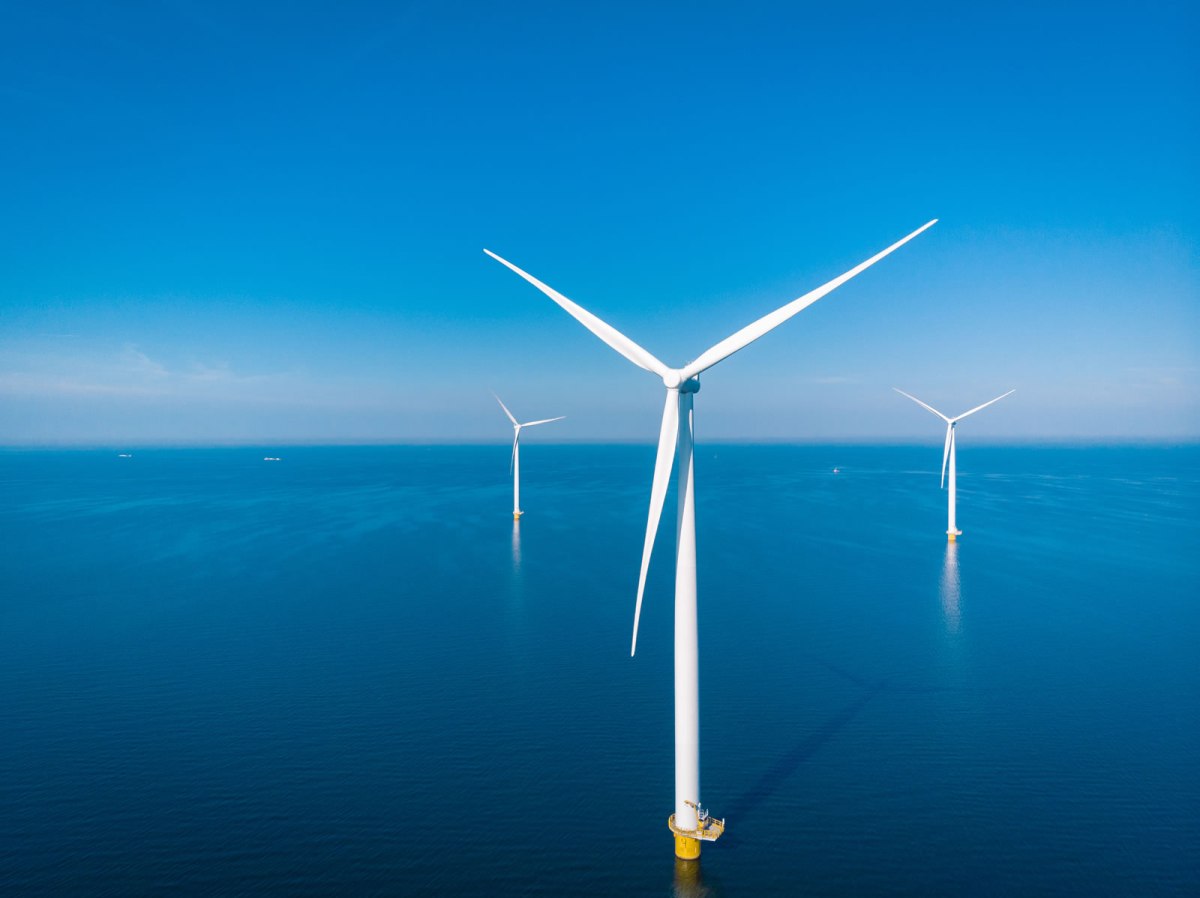
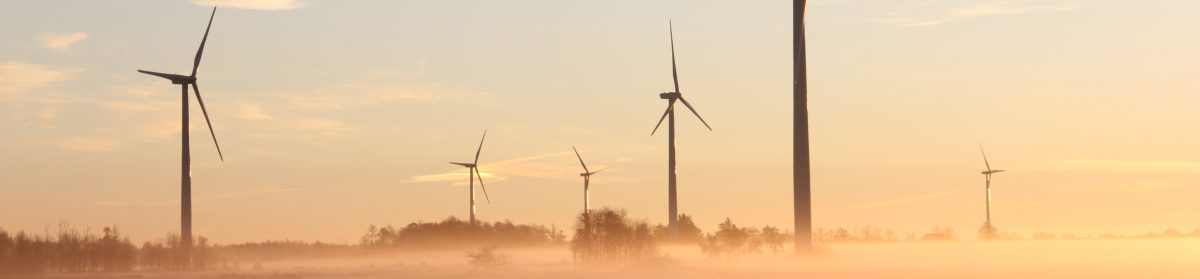
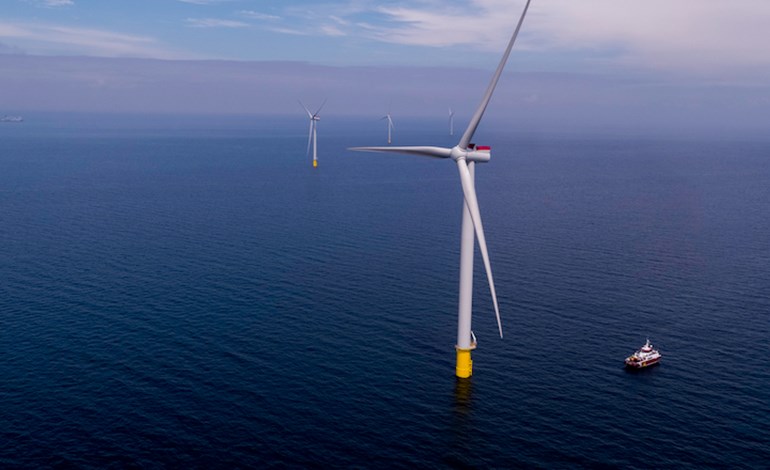
Vattenfall’s Vesterhav Nord offshore wind farm has started sending electricity to the grid, as reported by Renews.biz. The 176 MW came online a month after the company’s Vesterhav Syd began producing electricity.

Vattenfall will connect all 21 wind turbines in the Danish farm to the grid before the end of Q1 2024, with a total output enough to supply 180,000 households with zero-emissions electricity.

The Vesterhav Nord farm experienced a delay to the December 31, 2023, deadline for full connection and is still in talks for an extension with the Danish Energy Agency.

The offshore farm uses a new system for minimizing visual disruption based on radar, meaning the turbines’ warning lights would only come on when the farm is approached by an aircraft. However, the new systems will not be used fully until it gains approval.

Project director Mathilde Damsgaard commented, “It is with great pride that we are now sending the first fossil-free power ashore from Vesterhav Nord as well. It has been an exciting task with many challenges since we won the tender in 2016, and it is great to see the efforts bear fruit thanks to a great effort from the many involved.”
Offshore wind policy consultation starts in Ireland

Header image courtesy of Getty Images

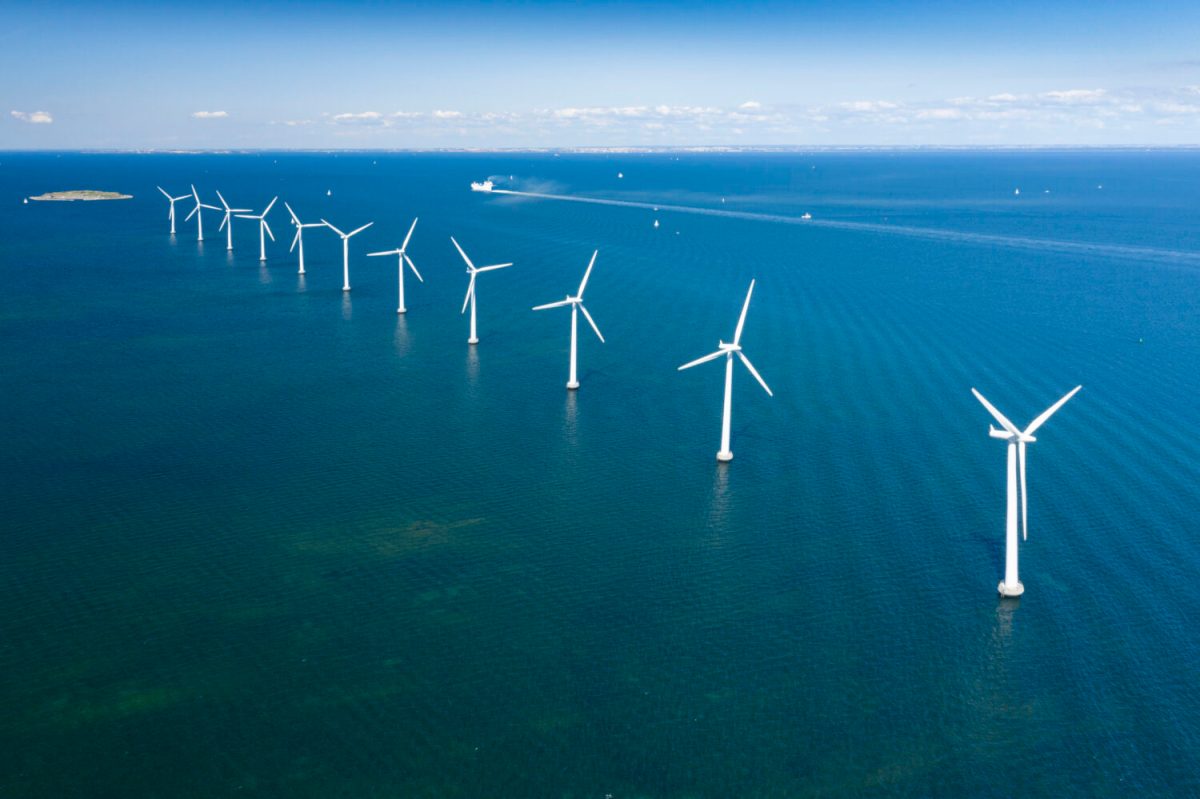
Ireland has commenced consultation on its new framework surrounding offshore wind energy under its Department of the Environment, Climate, and Communication (DECC).

The Offshore Renewable Energy Future Framework Policy (Future Framework for short) presents Ireland’s long-term blueprint for the growth of offshore renewable energy. It will establish the pathway to 20 GW of offshore wind energy by 2040 and 37 GW a decade later.

Ireland targets 5 GW of offshore wind energy by the end of the decade with 2 GW allocated to green hydrogen production.

The Future Framework will encourage investments and maximize financial gains from offshore wind projects. It also considers the potential for transforming excess renewable energy into alternative energy products that can be exported. It will also encourage “collaboration between the State, industry and local communities”, according to Environment, Climate, and Communications Minister Eamon Ryan.

This consultation will allow key stakeholders to give input and collect feedback for the final version of the framework. The final version of the Future Framework will be published in conjunction with the Department of Enterprise, Trade, and Employment in the spring after approval by the government.

Greece wants to provide energy security with renewable energy

Header image courtesy of Reuters

Greece is a country with ambitions. According to the Prime Minister, the European country wants to provide energy security to other countries on the continent by expanding its clean energy capacity, as reported by Bloomberg.

PM Kyriakos Mitsotakis revealed this ambition on the sidelines of the ongoing COP28 in Dubai. He said Greece “can significantly expand our green production capacity. We’re going to be a provider of energy security for many European countries.

“We want to be an exporter of green power in the medium to long term. We want to make sure that we can cover the needs of our neighbouring countries in terms of offering them access to natural gas.”

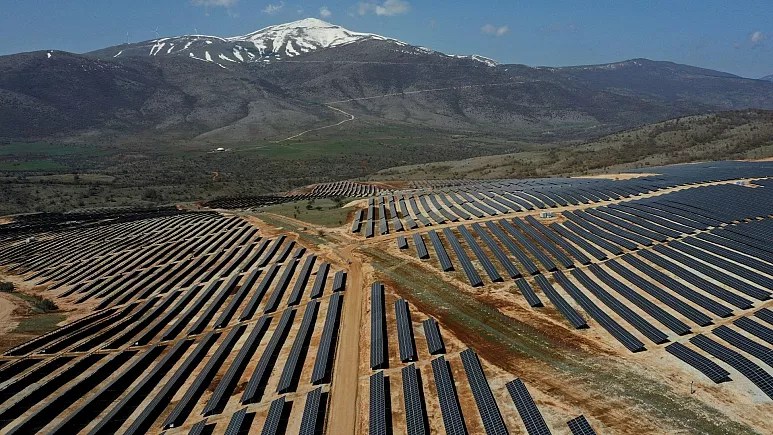
Greece produced 7,047 GWh of solar energy in 2022, 400 percent more than a decade ago, according to BNEF. The country also achieved meeting 100 percent of its energy demand by renewable energy for hours on some days. More renewable projects will come online, including offshore wind farms in the Aegean Sea, set to supply Athens with more than 1.9 GW by the end of the decade.

Greece already exports energy to Bulgaria and Moldova. It is constructing gas pipelines to Europe.

Polish coal miners training to work on wind farms

As Notes from Poland reports, Polish coal miners have started a major career change by retraining to take up jobs in the wind energy industry. They will train to operate and service wind turbines. This program is part of an initiative to support workers exiting the mining industry in the East European country.

The two-week-long training, accredited by the Global Wind Organization (GWo), is being funded by EDF Renewables Polska to help assuage the concerns of coal miners about the effects of the energy transition to renewables. Coal is still a big business in Poland, generating 70% of the electricity supply. Miners can undergo the training for free.

According to Alicja Chilińska-Zawadzka, general director at EDF Renewables Polska, “In the coming years, the wind energy industry will need tens of thousands of employees, while the specialised staff leaving the mining industry seems to be particularly prepared to find employment in the renewable energy sector after appropriate training.”

Candidates will visit a wind farm to learn about working safely at heights, first aid, fire awareness, and wind farm operation. They will be tested on operating suspended platforms and overhead cranes.

The miners will also meet with potential employees and have their first interviews. A second batch of miners will undergo the program in the first quarter of 2024, with applications already open.

Poland wants to close all its mines by 2049.

Major renewable energy news this week

Header image courtesy of Lloyd Thornton/Shutterstock

Amprion starts on 8 GW offshore power link in Germany

Germany’s transmission system operator Amprion has begun planning the Windader West energy corridor, which will connect up to 8GW of offshore wind energy to the North Rhine-Westphalia state. The first 2 GW connection is expected in 2032.

Read more…

Kenya Power solicits bids for boosting rural electricity with solar mini-grids

Kenya Power and Lighting Company (KPLC) has called for bids for setting up solar power mini-grids in several counties, representing 20 percent of its population and 72 percent of its land area. The contract covers seven years of operation and maintenance by the successful bidders.

Read more…

DP Energy and SBM planning 400 MW floating wind farm for Nova Scotia, Canada

DP Energy and SMB have formed a joint venture named Nova East Wind to build a 400 MW floating offshore wind farm in Nova Scotia, Canada. The development will be located about 30 km off Goldboro, although the precise location is yet to be determined.

Read more…

Solar drives renewable investment to $358 billion in H1 2023

Global investment in renewable energy soared to $358 billion in the first half of 2023, according to BloombergNEF. This was driven by solar investment in China, thanks to cheaper PV modules and a growing rooftop PV market.

Read more…

Consortium planning 5 GW wind farm for Australia

Elanora Offshore, a consortium of KIMAenergy, Energy Australia, Boskalis, Respect Energy, and Polpo Investments, will build a 5 GW wind farm off Gippsland in Victoria, Australia. Funding has already been secured for the project, with a targeted completion for the first phase in 2032. The farm will supply 40 percent of Victoria’s energy needs.

Read more…

Renewables more profitable than nuclear power; new study

Header image courtesy of Total Energies

Researchers from the European Environmental Bureau (EEB), the Stockholm School of Economics (SSE), and the Potsdam Institute for Climate Impact Research have concluded that renewable energy is more profitable than nuclear energy, especially in the US and the EU, as reported by PV Magazine.

Renewable energy has the upper hand in terms of cost and speed. The research found that nuclear plant investments delay decarbonization. It studied nuclear energy developments in the planning stages and concluded the amounts by which the project costs have increased from the initial plan are significant.

The nuclear projects considered include Flammanville, which jumped from €3.3 billion to €13.2 billion. This did not account for the increase in financing costs, which could add another €4.2 billion, up from €1.2 billion.

The researchers said that even though nuclear energy is presented as a good investment in the fight against climate change, renewable energies compete with it in terms of profitability even more than other energy sources such as coal and gas. The research concludes that nuclear power plants require many years of planning and construction and are capital-intensive. However, the climate crisis demands urgency and requires large investments, making profitability paramount.

Turbine installation starts on Dogger Bank offshore wind farm

Header image courtesy of Dogger Bank

Installation work has begun at the Dogger Bank offshore wind farm, as reported by ReNews. The farm will host 277 turbines in three phases when completed off the coast of England.

Each of the 13 MW GE Haliade-X turbines towers 260 m. They will be installed with a vessel lifting up to 3,200 tonnes. The Yorkshire farm will output 3.6 GW, enough green electricity for 6 million homes.

The project is a joint venture between SSS Renewables, Equinor, and Vargronn (another joint venture between Eni Plenitude and Hitec Vision.)

Dogger Bank is expected to produce 400 jobs in the 35 years lifetime of the project. Construction will last three years.

“Our progress here with our joint venture partners Equinor and Vargronn proves offshore wind projects of this size are now mainstream and will help turbocharge the transition to the cheaper, cleaner, and more secure energy system we all want to see. “It is action, not ambition, that will secure our energy future, and this project shows action on a massive scale. But we will need many more Dogger Banks to achieve our goals, and we look forward to working with government to bring forward more projects at pace.”

Centrica Energy to heat 10,000 UK homes with sewage power

Header image courtesy of Yorkshire Water

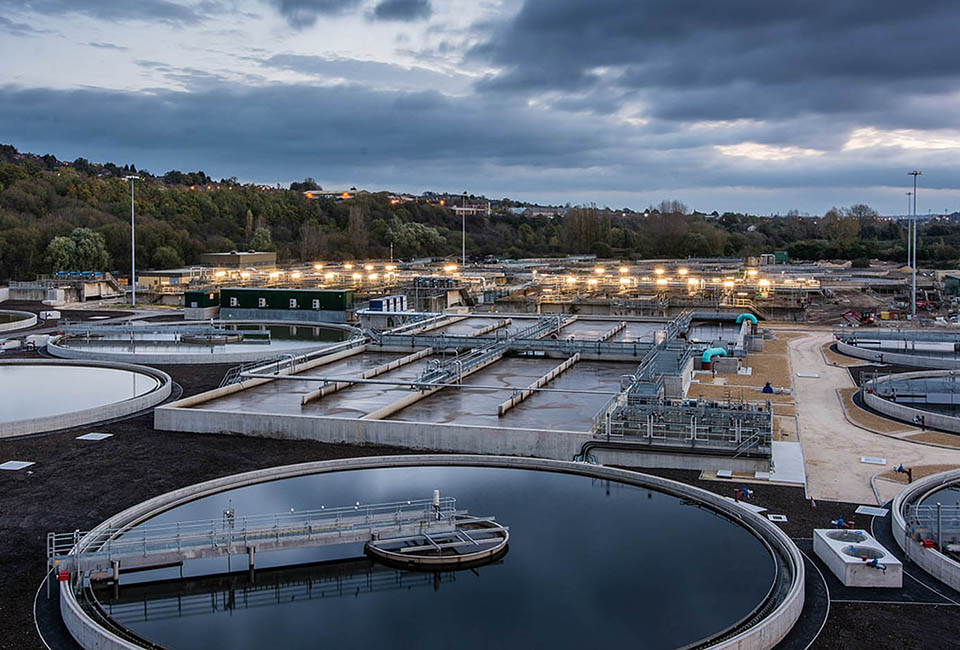
Centrica Energy Trading has struck a deal with Yorkshire Water and SGN Commercial Services that will allow it to extract biomethane from sewage. The 15-year agreement will provide heat for 10,000 homes in the UK, as Energy Live News reported.

The biogas is a by-product of Yorkshire Water’s sewage treatment processes. Centrica Energy will manage the biomethane, including handling, shipping, trading, and balancing.

SGN Commercial Services will handle the biomethane sites’ design, development, and operation. The sites are expected to generate about 125 GWh of biomethane annually, enough to heat 10,000 homes. Kristian Gjerløv-Juel, Director for Renewable Energy Trading and Optimisation at Centrica Energy Trading commented: “Having recently expanded our capabilities to handle trading, nomination, and transportation of green gas in the UK market, we’re working to accelerate biomethane production across Europe and using our capabilities to help businesses deliver on their green procurement strategies and reduce emissions.”

Major renewable energy news last week

Header image courtesy of 4FR / Getty Images

US fixes Gulf of Mexico wind power auction on Aug 29

The US Department of the Interior has set August 29th for the first auction of offshore leases for wind power development in the Gulf of Mexico off the Louisiana and Texas coasts. More than 300,000 acres will be parcelled off, with the potential to generate 3.7 GW of clean energy.

Read more…

Work starts on £2.4bn UK-German interconnector

Construction has started on one of the largest interconnectors in the world, between the UK and Germany. Prysmian started horizontal directional drilling on the UK side on the Isle of Grain in Kent. The interconnector will boost energy resilience and renewable energy integration in Europe’s two largest energy markets.

Read more…

ACWA Power signs MoU for 10 GW wind project in Egypt

ACWA Power has signed an MoU with Egypt’s New and Renewable Energy Authority (NREA) for a 10 GW wind power plant near Sohag. The project will power 11 million households and prevent up to 25.5 million tons of CO2 emission each year, in addition to creating up to 120,000 job opportunities.

Read more…

Chile’s Enel largest solar plant becomes operational

Enel has received final authorization to begin commercial operation of its Guanchoi solar plant. The 1,100 GWh per year output will power more than one million homes and help to avoid 900,000 tons of CO2 being released into the atmosphere. Enel installed 893,508 solar panels to reach the capacity.

Read more…

Madagascar opens bidding for two solar parks of 210 MW combined

Madagascar’s Ministry of Hydrogen and Hydrocarbons has called for tenders for two solar projects of 200 MW and 10 MW. These projects will significantly boost the country’s power generation, standing at 969 MW.

Read more…

Houston’s sundial public artwork to power local community with solar energy

Header image courtesy of Land Art Generator

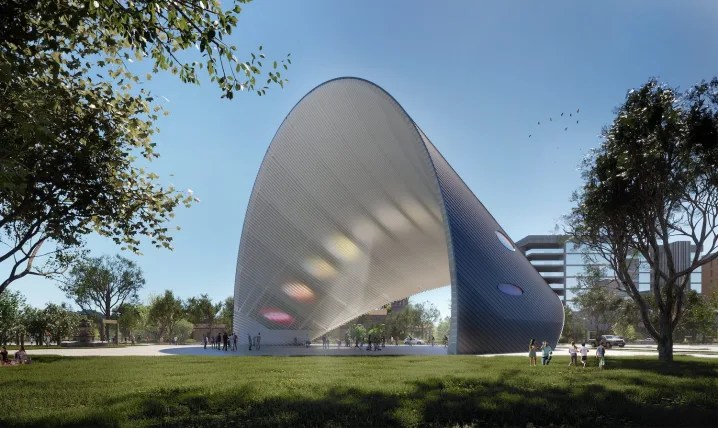
Sometimes, art is more than just art, as with Houston’s next piece of public art. Billed as the world’s largest sundial, the Arco del Tiempo, or Arch of Time, will produce renewable energy for the local community.

As reported by Digital Trends, the work of Berlin-based artist/architect Riccardo Mariano will be installed in the East End district of Houston in 2024.

The Arco del Tiempo, a 100-foot-tall installation, works to keep time, apart from producing 400,000 kWh of year annually, enough to satisfy the power demand of 40 local homes. It will power the Talento Bilingue de Houston cultural hub nearby.

The public art will beam sunlight on the Guadalupe Plaza Park, with the light patterns changing with the sun’s movement. PV panels on the installation’s surface will harvest sunlight. The space under the arch can host public events at night.

Artist Mariano describes the Arco del Tiempo as “a practical example to illustrate the movement of the earth around the sun in a playful way.”

Mayor Sylvester Turner commented, “This unique artwork is more than a sculpture. It is a renewable energy power plant. It is a monument to a new era of energy.

“The City of Houston has always stood at the vanguard of energy innovation and the Arco del Tiempo artwork stands in that tradition, highlighting Houston’s role as an art city and as global leader in the energy transition.”