

Geothermal energy has emerged as a highly promising contender in the quest for cleaner and more sustainable energy sources. However, its adoption faces environmental and social barriers that require effective mitigation strategies. This article examines where geothermal energy is feasible for exploitation and overcoming these barriers.
Where is Geothermal Energy Most Feasible?
Geothermal energy is most feasible in areas with a high geothermal gradient, meaning the temperature increases rapidly with depth in the Earth’s crust. This allows for accessing hot water or steam from relatively shallow wells or boreholes, reducing drilling costs and risks.
Geothermal energy is also more feasible in areas with a high permeability of the rocks, meaning that the fluid can flow easily through fractures or pores. This increases the efficiency of the geothermal system and the heat recovery rate.
Geothermal energy is also more feasible in areas with low seismic risk, meaning geothermal activity does not trigger or facilitate earthquakes or tremors. This reduces potential damage and disruption to the geothermal infrastructure, surrounding environment, and communities.
According to a report by the World Bank, some of the factors affecting the feasibility of geothermal energy include the geological setting, which determines the type, temperature, depth, and extent of the geothermal resources; the market conditions, which determine the demand, price, and competitiveness of geothermal energy; and environmental and social impact, which determines the sustainability and acceptability of geothermal energy.
Based on these factors, some of the regions where geothermal energy is most feasible are:
The Ring of Fire, a belt of volcanic and seismic activity surrounding the Pacific Ocean. It includes countries such as Indonesia, the Philippines, Japan, New Zealand, Mexico, the USA (California), Chile, and Peru. These countries have abundant geothermal resources due to their active volcanism and tectonism.
The East African Rift System, a zone of continental extension stretching from Ethiopia to Mozambique. It includes countries such as Kenya, Ethiopia, Tanzania, Uganda, and Rwanda. These countries have high geothermal potential due to their rifting and magmatism.
The European Geothermal Belt, a region of elevated heat flow that extends from Iceland to Turkey. It includes countries such as Iceland, France, Germany, Italy, and Turkey. These countries have diverse geothermal resources due to their volcanic activity or sedimentary basins.
Environmental Barriers and Solutions
Induced Seismicity
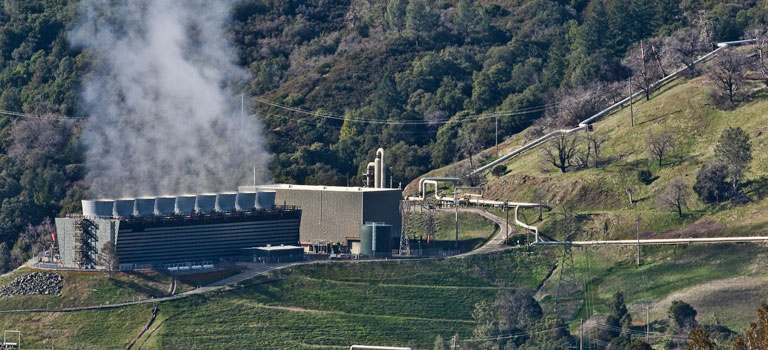
One primary concern associated with geothermal energy is induced seismicity; the earthquakes and tremors caused by human activities. For example, The Geysers geothermal field in California, USA, has experienced thousands of induced seismic events since the 1960s due to steam withdrawal and thermal contraction of the rocks.
Addressing this challenge requires adopting advanced seismic monitoring, careful site selection, and responsive management measures such as the traffic light system (TLS).
Water Consumption and Contamination
Geothermal projects often require large amounts of water and risk contamination from drilling fluids. Utilizing closed-loop systems and non-toxic drilling fluids can drastically minimize these environmental impacts. Developers can also use dry cooling systems, which use air instead of water, hybrid cooling systems, and enhanced geothermal systems (EGS) to reduce water consumption. However, the latter can require more drilling and increase the risk of small earthquakes.
Overcoming Social Hurdles
Public Acceptance
A significant social hurdle is the need for more public understanding of geothermal energy. Educating communities about the benefits of geothermal energy and involving them in project planning can foster acceptance and enthusiasm.
Land Use Disputes
Land use and property rights conflicts often arise due to the extensive land requirements of geothermal projects. Early engagement with stakeholders and implementing fair compensation mechanisms can help alleviate these disputes.
Growth Projections for Geothermal Energy
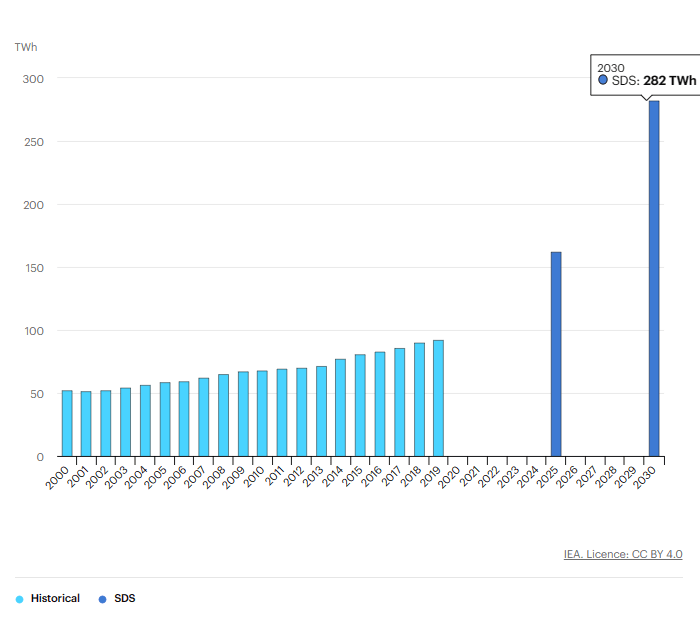
There are multiple sources of growth projections for geothermal energy. For example, the International Energy Agency (IEA) forecasts geothermal power generation of 282 TWh in 2030 in the Sustainable Development Scenario.
Conclusion
Overcoming the environmental and social barriers to geothermal energy requires concerted efforts, innovative solutions, and supportive policies. Despite these challenges, the potential of geothermal energy to contribute to the global energy mix is undeniable, especially in tectonically active regions. By looking at the strategies adopted by the major players and considering growth projections, it is evident that geothermal energy will play a significant role in the future of renewable energy. The opportunities it presents for a cleaner and more sustainable future are within reach, and the time to seize them is now.
 Renewable Brief