
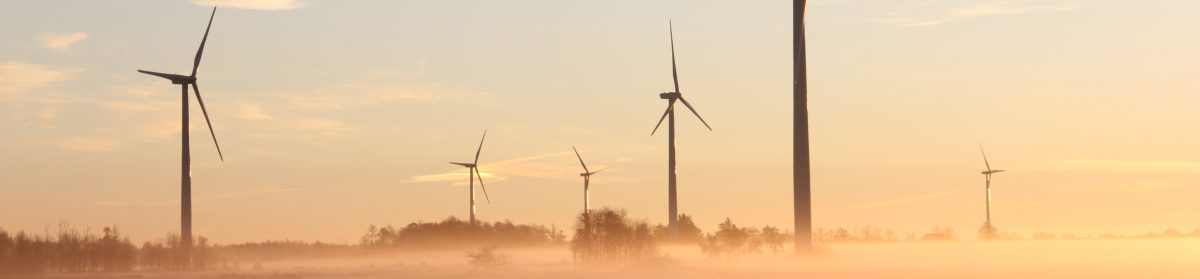
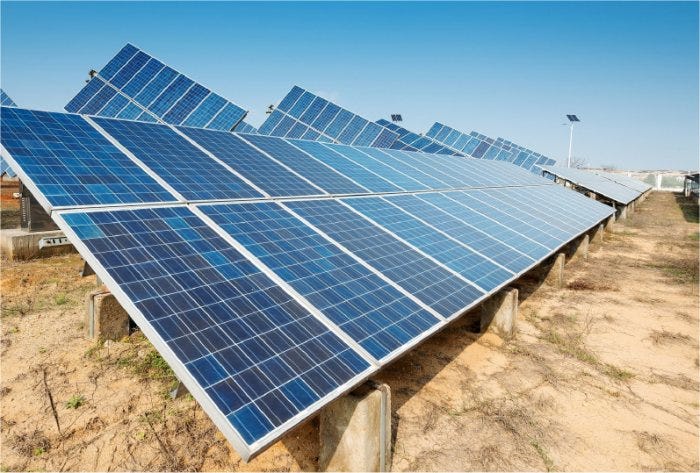
In what was a win for the environment in Australia, more than half of the country’s supply of electricity came from solar installations. Even though the victory lasted only a few minutes, it opened a new chapter in Australia’s march towards sustainable energy.
At that moment, the energy from coal-fired power plants dropped to a record low of 9,315 MW around noon last Saturday, while power generated from the sun stood at 9,427 MW.
According to statistics from Dylan McConnell, a research fellow at the University of Melbourne, the total energy from solar represented 57 percent of the energy mix of the country. “This is what I unofficially call ‘record season’. It’s actually still pretty early in the season [to get these numbers] but in spring or the shoulder seasons you have the combination of low demand, because there’s no heating or cooling, and then nice weather on the weekend. Those factors combine, and you get these giant shares of renewable energy that generally push out coal.”
On Sunday, energy prices dropped into the negative for more than 9 hours, meaning energy consumers were actually paid to consume.
Regionally, South Australia had 100 percent of its energy from wind and solar sources while the percentage in Victoria shot to 102 but energy operators stopped supplying.
The share of renewable energy would have even been more if the operators had not shut down production to avoid negative billing.
According to projections, Australia will need 51 GW of renewable energy by 2042 to meet its commitment under the Paris Climate Agreement but so far, only 3 GW has been committed, with a balance of 48 GW.
 Renewable Brief